Do-It-Yourself Sod Installation: An Easy-to-Follow Guide for Homeowners
If you're seeking to improve your outdoor space, DIY sod installation might be the perfect solution. With the right preparation and approach, you can create a lush, green lawn that improves your home. Before you commence, however, there are important factors to consider to achieve success. Let's explore the steps you need to take to create a vibrant lawn that you can be proud of.
Choosing the Appropriate Type of Sod for Your Lawn
While choosing related content the right type of sod for your lawn, how do you determine which variety will prosper in your specific environment? Kick off by considering your climate. Hot-season grasses, like Bermuda and Zoysia, thrive in hot, sunny regions, while winter grasses, including Kentucky Bluegrass and Fescue, thrive in cooler temperatures. Next, consider sunlight exposure. If your outdoor space gets direct sun, you can go with a more extensive range of options. However, shaded locations often call for specialized varieties. Also, evaluate your lawn's use; if it experiences high traffic, you'll require a durable type. Finally, speak with local gardening centers or extension services to get suggestions based on your region. Choosing wisely now will produce a lush, healthy lawn later.
Get Ready Your Yard: Site Preparation and Soil Testing
Prior to laying sod, it's essential to adequately prepare your yard, beginning with testing your soil and preparing the site. Initially, assess your soil's nutrient levels and pH using a basic kit from your local garden center. This'll help you determine what additives your soil needs for best growth.
Following this, eliminate any old grass, weeds, and debris. When required, utilize a shovel or a sod cutter to remove existing grass and roots. Then, till the soil to a depth of roughly 4-6 inches, allowing for better drainage and root penetration.
In conclusion, grade the soil to establish an even surface, making certain of good contact between the sod and soil. Following these measures will provide your new sod the greatest potential to thrive.
Essential Tools and Materials for DIY Sod Installation
Gathering the right tools and materials is crucial for a successful DIY sod installation. Start with a sharp spade or sod cutter to remove old grass and prepare the area. You'll also need a rake for smoothing the soil and a shovel for digging. A garden hose or sprinkler can help you maintain proper irrigation after laying the sod. Don't forget a measuring tape to organize your layout correctly.
Regarding materials, invest in quality sod that matches your climate and soil type. Furthermore, pick up some topsoil or compost to improve your existing soil, and consider a roller to flatten the sod once it's laid. Having these tools and materials ready will ensure your installation process easier and more streamlined.
Complete Guide: How to Lay DIY Sod Like an Expert
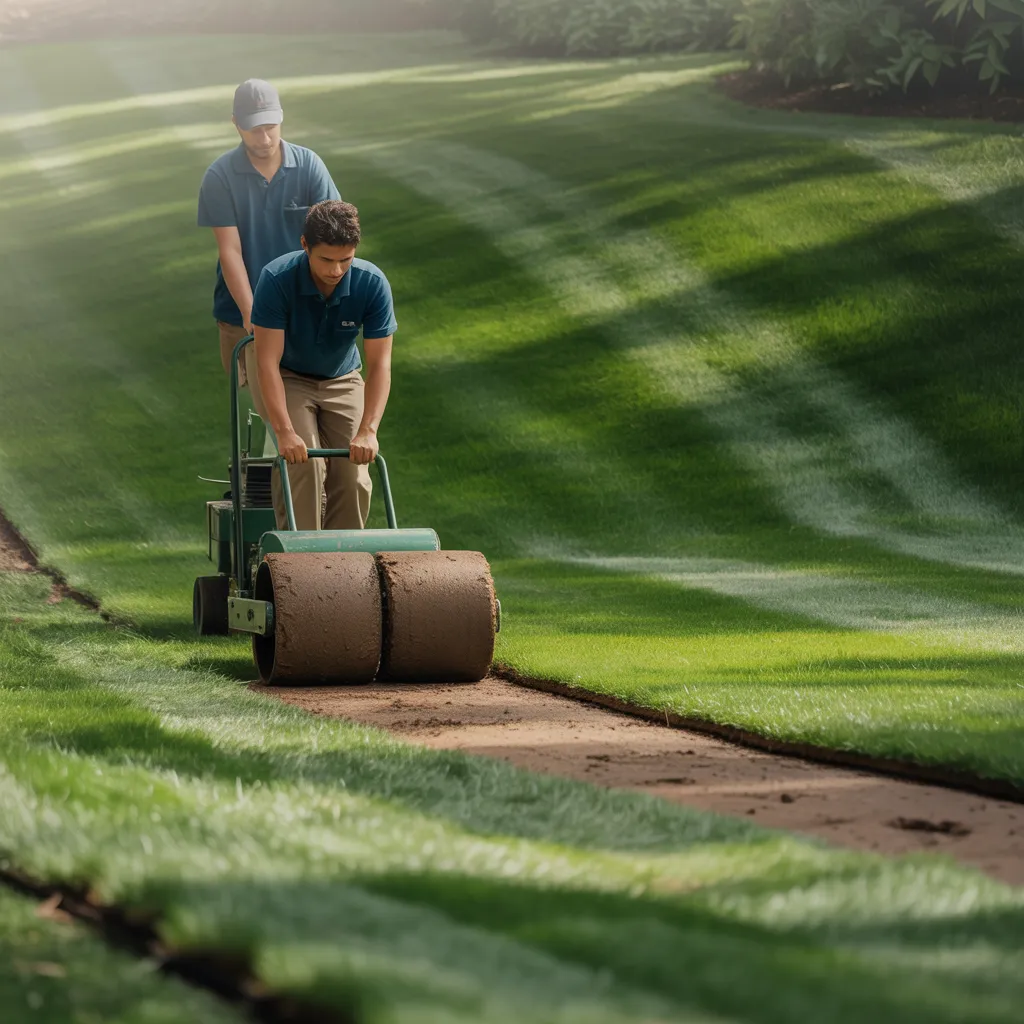
Laying sod can transform your yard into a lush, green oasis in just a few hours. To start, prep the space by removing debris and evening out the soil. Then, dampen the soil a bit to assist the sod in taking root better. Begin placing the sod along a straight line, offsetting the seams similar to bricks. Press the edges together firmly to eliminate gaps. Utilize a sharp blade to cut any extra sod at the borders. Following placement, roll the sod softly with a roller to confirm adequate soil contact. Hydrate the sod instantly, drenching it fully. Maintain the sod damp but not waterlogged for the initial few weeks. Follow these steps, and you'll have a beautiful lawn in no time!
Vital Care and Watering Recommendations Upon Laying Sod
Once your sod has been successfully laid, adequate watering and care are essential to ensuring that it takes root and thrives. Begin by irrigating your newly laid sod as soon as installation is complete, saturating it completely to stimulate deep root growth. Over the first two-week period, keep the soil constantly damp, applying water one to two times per day if temperatures are high with sunshine. Once this time has passed, decrease irrigation to two to three times weekly, based on rainfall and temperature. Be certain to cut your sod once it hits about three inches high, but avoid cutting more than one-third of the height at once. Finally, apply a starter fertilizer after roughly four weeks to supply your new grass with essential nutrients to grow vigorously.
Resolving Issues: Steps to Take If Your Sod Isn't Taking?
When your sod doesn't take root, it's time to investigate the cause. Start by checking soil moisture levels, as improper water levels can stunt growth. Then, inspect for pests and examine sunlight exposure to guarantee your sod gets the right conditions to establish successfully.
Monitor Ground Moisture Amount
How do you determine if your soil contains adequate moisture for sod to flourish? Begin by checking the soil manually with your hands. Go down approximately one inch; it ought to feel damp but not waterlogged. If it's dry, your sod might struggle to establish roots. Irrigate the space well and allow a few days to pass before testing again. Puddles or muddy soil indicate potential overwatering. You can also employ a soil moisture meter to obtain precise readings. Optimal conditions require soil that remains uniformly damp with good drainage. Correct moisture levels allow your sod to root effectively and thrive, laying the groundwork for a healthy lawn. Modify your watering routine as necessary to achieve optimal outcomes.
Inspect for Pests
Checking for pests is vital when your sod won't establish properly. Commence by inspecting the grass blades and soil for any evidence of insects such as grubs, chinch bugs, or sod webworms. Look for uneven patches, discoloration, or dead spots, which could signal an infestation. If you spot any pests, act quickly. You can use insecticidal soap or neem oil for a natural approach, or opt for chemical treatments formulated for specific pests. Furthermore, check for indicators of disease, like fungus or mold, which can also affect your sod's health. Don't neglect to inspect the adjacent area, too, as pests can easily migrate from nearby plants. Tackling pest issues quickly will help your sod flourish.
Examine Sunlight Exposure
Have you verified your sod is getting enough sunlight? If your sod isn't taking root, lack of sunlight may be the culprit. Most grass types thrive in full sun, needing at least 6 to 8 hours of direct sunlight per day. Examine your yard for any shading from trees, buildings, or fences that may block required light. If you discover areas deficient in sunlight, consider cutting back overgrown plants or relocating sod to a sunnier place. You could also explore shade-tolerant grass varieties if your yard is mainly shaded. Remember, healthy grass requires that sunlight to build deep roots. Check your sunlight exposure often, and make changes as needed to confirm your new sod prospers.
Is Professional Lawn Care Right for You?
While countless home owners value their DIY capabilities, sod installation can be a demanding project that makes you question whether you should call in the experts. If you have limited experience in lawn care or can't commit adequate time to the task, hiring professionals might be your best bet. They'll guarantee proper soil preparation, exact calculations, and superior installation techniques, resulting in a beautiful, flourishing yard.
Additionally, if your lawn has unique challenges, such as poor drainage or uneven terrain, experts can handle these problems effectively. Keep in mind, hiring professional help can spare you time and frustration, resulting in a healthy lawn that enhances your residence's curb appeal. Finally, weigh your skills and schedule against the prospective benefits of hiring a professional.
Common Questions
What is the Rooting Timeline for Sod?
Sod generally requires approximately two to three weeks to establish proper root development. During this time, maintain steady moisture in the soil, and keep off the lawn to make sure your lawn establishes correctly.
Is It Feasible to Install Sod During Winter Months?
Installing sod during winter months isn't possible. Cold temperatures hinder root development, preventing the sod from establishing properly. It's best to wait until spring when growing conditions are more conducive to success.
What Should I Do if My Sod Develops Brown Spots?
Should your sod develop brown spots, look for pests, diseases, or poor watering practices. Modify your watering schedule, handle any issues, and ensure your lawn gets adequate nutrients. Routine maintenance will work to revive those brown spots.
What Is the Recommended Fertilization Frequency for My New Sod?
You should fertilize your new sod approximately six to eight weeks after installation. After that, use a balanced fertilizer every six to eight weeks in the growing season to ensure your lawn lush and thriving.
Is It Required to Edge My Lawn After Laying Sod?
It's advisable to edge your lawn once sod has been installed. This practice forms a defined perimeter, boosts curb appeal, and supports soil moisture retention. Additionally, it stops grass from encroaching on garden beds or walkways.